Boiler Repair in Coney Island, Brooklyn
Targeted diagnostic troubleshooting and mechanical repair for residential steam and hydronic heating systems across Coney Island. From mid-winter burner lockouts to leaking pressure relief valves and cold radiator loops, NY Plumbing restores reliable heat safely.
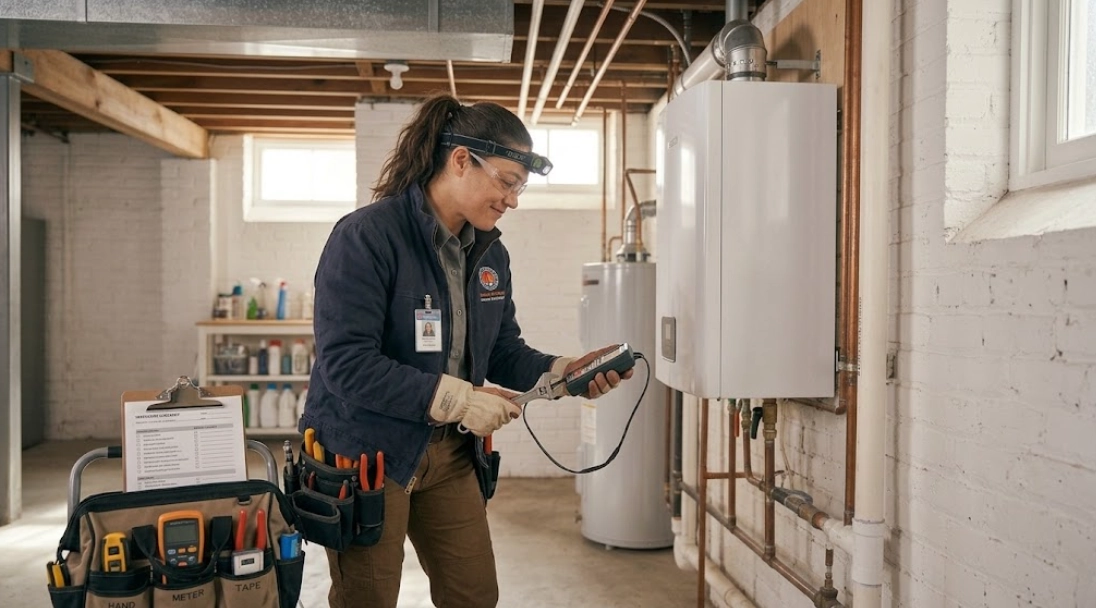
Reliable Boiler Repair in Coney Island, Brooklyn
Heating residential buildings on the Coney Island peninsula presents unique challenges. Bounded by Gravesend Bay, Coney Island Creek, and the Atlantic Ocean, the neighborhood experiences intense winter maritime winds, high ambient humidity, and corrosive salt air along Surf Avenue, Mermaid Avenue, Neptune Avenue, and Bowery Street. Whether your property is a historic multi-family row house, a detached two-family dwelling, or an apartment building near Maimonides Park and Luna Park, maintaining an airtight, properly tuned central boiler is vital to keeping tenants and families warm during freezing coastal snaps.
When a heating breakdown occurs, prompt and accurate troubleshooting is critical. Whether your property relies on an older cast-iron steam boiler repair Coney Island Brooklyn homeowners depend on during deep freezes, or a multi-zone circulating loop needing hot water boiler repair Coney Island Brooklyn residences require, our technicians arrive equipped to diagnose burner assemblies, draft conditions, safety limits, and distribution piping systematically.
Steam Boilers vs. Hydronic Heating Systems in Coastal Brooklyn
Homes across Coney Island and neighboring southern Brooklyn enclaves feature both classic low-pressure steam boilers and closed-loop hydronic systems. Understanding how these mechanical setups operate under winter load helps distinguish minor maintenance needs from urgent safety failures:
Low-Pressure Steam Heating: Common in older two-family and multi-family dwellings built throughout the early-to-mid twentieth century, steam boilers boil water within heavy cast-iron sections to generate steam vapor that rises through vertical risers into cast-iron radiators. Key mechanical components requiring regular inspection include:
- Low-Water Cutoffs (LWCO): Both mechanical float switches and electronic probe cutoffs serve as the primary defense against boiler meltdown. If coastal humidity or mineral sludge jams the float mechanism, the burner may fire on dry cast iron or shut down unexpectedly.
- Gauge Glass Assemblies: Visual sight glasses show the active water level. Clogged brass shutoff valves or stained glass tubes prevent homeowners from verifying safe water levels.
- Pressuretrol Controllers & Pigtail Syphons: Steam boilers must operate under low pressures (typically 0.5 to 1.5 PSI). When rust flakes obstruct the brass pigtail siphon loop, the pressuretrol cannot sense vessel pressure, causing erratic burner short-cycling.
Hydronic (Hot-Water) Heating: Found in modern multi-family retrofits and renovated row houses across Coney Island, hydronic systems circulate pressurized hot water (typically 12 to 15 PSI cold) through copper or PEX tubing to baseboard convectors or radiant floor circuits. Common mechanical challenges include:
- Circulator Pump Failures: Worn pump impellers, leaking mechanical cartridge seals, or burned-out pump relays leave heating zones cold even when the boiler fires.
- Expansion Tank Bladder Tears: Diaphragm expansion tanks accommodate water expansion as it heats. When an internal bladder ruptures, system pressure surges rapidly, causing the 30 PSI pressure relief valve to discharge water onto the floor.
- Air-Locked Zones: Pockets of trapped air block circulating flow in upper-story loops, requiring systematic purging and servicing of automatic air vents.
Troubleshooting When Your Boiler Is Not Working
Experiencing a sudden boiler not working Coney Island Brooklyn winter scenario requires structured mechanical troubleshooting. Gas-fired boilers operate through a strict sequential ignition and safety interlock sequence:
- The wall thermostat closes its 24-volt circuit, initiating a heat call.
- The master control board checks that high-limit aquastats, low-water cutoffs, rollout switches, and flue spill switches are in their closed, safe positions.
- On power-vented models, the induced draft blower energizes, proving draft via an air pressure differential switch.
- The electronic ignition module powers a hot-surface igniter or spark gap while simultaneously energizing the main gas valve solenoid.
- A micro-amp flame rectification sensor confirms continuous flame presence; if flame rectification is absent within several seconds, the system initiates a safety lockout to prevent fuel accumulation.
When a sudden no heat boiler repair Coney Island Brooklyn emergency arises, our experienced technicians trace this electrical and mechanical chain with precision diagnostic instruments, quickly isolating the failed component without unnecessary part replacements.
Combustion Safety & Gas Burner Servicing
For buildings requiring gas boiler repair Coney Island Brooklyn property owners trust, burner cleanliness and venting integrity are paramount. In natural gas atmospheric units, coastal salt air can accelerate oxidation on cast-iron burner ribbons. Flakes of rust partially block burner ports, resulting in delayed ignition characterized by startling bangs or whooshing noises when the burner lights.
Furthermore, strong offshore gusts off Coney Island beach can create downdrafts in masonry chimneys, tripping thermal draft spill switches and shutting down heating cycles. Our technicians verify draft pressure, examine flue smoke pipes, clean burner trays, and inspect thermocouple or flame sensor assemblies for reliable combustion.
Our Systematic Boiler Diagnostic & Repair Workflow
We approach residential boiler service with rigorous technical standards. When you contact us for service, here is what you can expect during an inspection visit:
Initial Safety Survey
We inspect the combustion chamber, verify fuel line pressure, test the emergency shutoff switch, and check for active water or fuel leaks.
Electrical Limit Testing
Using digital multi-meters, we test aquastats, low-water cutoffs, zone relays, transformers, ignition modules, and flame sensors.
Targeted Mechanical Repair
We replace defective circulators, zone valves, pressure relief valves, or burners using high-grade, code-compliant replacement parts.
Full Operational Run Test
We cycle the boiler through complete heating cycles, checking flame stability, flue draft, water level recovery, and heat distribution across all zones.
Repair vs. Replacement: Making the Right Decision
Not every boiler malfunction requires replacing your central equipment. When issues stem from wearable external components—such as a faulty zone valve actuator, circulator pump, pressure relief valve, or thermocouple—on an intact cast-iron heat exchanger, targeted mechanical repair is dependable and cost-effective.
However, replacement is the more prudent long-term investment when:
- Cast-Iron Sections Are Cracked: Water leaking from between boiler block sections or through fractured cast-iron walls cannot be sealed or welded safely. Once a pressure vessel is cracked, replacement is mandatory.
- Equipment Age Exceeds 20 to 25 Years: Older atmospheric boilers typically achieve only 60% to 70% annual fuel utilization efficiency (AFUE). Replacing an aging unit with a modern high-efficiency system significantly reduces winter gas consumption.
- Frequent, Costly Breakdowns: If you are constantly resetting safety lockouts or calling for emergency repairs during every cold snap, a new heating plant delivers long-term reliability and peace of mind.
Explore modern high-efficiency options in detail on our dedicated boiler replacement in Coney Island page.
Seasonal Maintenance & Coastal Protection Advice
Routine preventive care prevents sudden mid-winter outages and mitigates coastal corrosion on Coney Island heating systems:
- Weekly Low-Water Cutoff Blowdowns: On steam boilers, open the blow-down drain valve for several seconds weekly during the winter to flush sediment from the float chamber and confirm the burner shuts off on low water.
- Monitor Operating Pressure: Check the tridicator pressure gauge regularly. Hydronic systems should rest at 12–15 PSI cold, while steam boilers should operate under 1.5 PSI during active heating.
- Inspect Flue and Chimney Bases: Check metal flue connectors for white corrosion powdery deposits or rust perforations caused by maritime moisture.
- Schedule Annual Pre-Season Servicing: Clean burners, vacuum cast-iron flueways, test safety limits, and lubricate pump bearings before freezing weather arrives.
When Heating Symptoms Demand Urgent Professional Attention
Urgent Heating Warning Signs
Shut down your heating equipment immediately and seek qualified help if you discover water pooling rapidly under the boiler, continuous discharge from the 30 PSI relief valve, an odor of scorched electrical wiring, or heavy black soot on burner doors. If you smell natural gas, leave the building immediately and call your utility emergency line or 911 from a safe location.
Related Heating and Plumbing Services in Coney Island
A dependable heating system relies on sound gas supply lines, clean domestic water heaters, and clear basement drainage. Explore our specialized services across Coney Island:
Boiler Replacement
Precise heat-loss load calculations, removal of aging cast-iron units, oil-to-gas conversions, and code-compliant heating installations.
View Replacement Services →Steam Heat & Radiator Repair
Resolve loud water hammer banging, leaking radiator valves, spitting air vents, and uneven heat distribution across multi-story buildings.
View Radiator Solutions →Water Heater Repair
Rapid diagnostic troubleshooting for gas, electric, and boiler-connected indirect water heaters experiencing pilot failures or leaks.
View Water Heater Service →Gas Line Repair & Inspection
Licensed gas leak detection, pipe replacement, digital pressure testing, appliance hookups, and NYC Local Law 152 compliance.
View Gas Piping Work →Leak Detection
Non-invasive electronic leak detection locating hidden water supply and heating pipe leaks behind finished walls, ceilings, and slabs.
View Leak Detection →Drain Cleaning
Professional motorized snaking, hydro jetting, and camera inspections for blocked kitchen, bathroom, and basement waste lines.
View Drain Cleaning →Sewer Line Repair
High-definition camera inspections, tree-root removal, spot repairs, and structural sewer lateral replacements for coastal properties.
View Sewer Services →Service Coverage in Coney Island & Surrounding Communities
While our core operational focus is centered right here in Coney Island, our service radius naturally encompasses adjacent southern Brooklyn neighborhoods. We frequently assist homeowners seeking boiler repair near Sea Gate in the private gated community at the western tip of the peninsula, property owners requiring boiler repair near Brighton Beach along Brightwater Avenue and Coney Island Avenue, and multi-family residences needing boiler repair near Gravesend north of Belt Parkway.
We also support properties across Bath Beach and surrounding Kings County enclaves. Visit our service areas directory to learn more about our neighborhood service coverage.
Frequently Asked Questions About Boiler Repair
When a boiler fires continuously without heating the building, the issue typically stems from distribution failure. In hydronic systems common across Brooklyn homes, this often points to an air lock in the piping, a seized circulator pump, or a failed zone valve motor. In steam systems, blocked main air vents or clogged radiator supply valves prevent steam from displacing cold air in the heating loop.
Coney Island's coastal ocean air contains salt aerosol and high ambient humidity, which accelerates oxidation on mechanical equipment. Basement draft hoods, flue connectors, electrical terminals, boiler casing panels, and ignition electrodes rust more rapidly near the shoreline than inland, making annual pre-season cleaning and electrical contact inspection essential.
Verify that your thermostat is set to HEAT and calling for a temperature above ambient room levels, ensure the red emergency burner power switch at the basement stairway is switched ON, and check your boiler sight glass or pressure gauge. If the water level is visibly below the sight glass midpoint or the gauge reads zero, shut the system down and contact a heating technician.
Float-type low-water cutoffs on residential steam boilers should be flushed weekly during the active heating season via the blow-down valve. Flushing removes scale, mud, and sediment that settle in the float chamber, ensuring the internal float drops freely to cut electrical power to the burner if boiler water drops dangerously low.
If a cast-iron boiler has cracked sections, heavy internal scale that chokes heat transfer, or chronic combustion component failures every winter on an appliance older than 20 years, continuing patch repairs becomes cost-prohibitive. Upgrading to a modern system eliminates recurring emergency calls and significantly lowers winter fuel bills.